Are Game Show-Style Live Casino Games Rigged or Just Noisy?
A game-show casino lobby can look less like a traditional table room and more like a streaming channel lineup. You may see bright sets, a host, a spinning wheel and several bonus rounds before you see anything resembling a familiar casino game. On a mobile screen, that first impression matters: the lobby needs to tell you what each fameimpact.com game is, how to open it and—ideally—where to find its rules.
That production can make the experience feel suspiciously theatrical. Is the wheel really random? Does a host’s enthusiasm affect the result? Are all those lights and sound effects disguising unfavorable terms? Usually, “noisy” is a more useful description than “rigged”—but fairness still depends on the particular game, its rules and the operator offering it. Here’s how to separate entertainment from the mechanics that determine outcomes.
What you see in the lobby—and what it tells you
You know what's funny? in a live casino lobby, game-show titles are often presented alongside blackjack, roulette and other dealer-led games. Their tiles may emphasize a host, a prize wheel or a recognizable show format. That thumbnail is an invitation, not an explanation of the odds. Before joining, look for the game name, provider, rules link and any information about return to player (RTP) or the house edge.
For instance, someone exploring mrq.com might encounter the mrq live casino and a live lobby available on mobile. The practical first question is not whether the set looks polished; it’s whether the title opens cleanly on your device and makes its rules easy to find. On a phone, players often dip in for a short session, switch between apps or play over spotty Wi-Fi. A lobby that loads quickly is useful. It doesn’t make a game fairer, and it shouldn’t be treated as evidence of better odds.
Some lobbies group games by format or popularity, while others put featured titles up front. Either way, a prominent placement is not a recommendation about value. Open the game information and check how a round works before staking money. If you can’t locate the rules, don’t assume the flashy presentation is a substitute for them.
Live casino versus RNG-based games
The basic distinction is how the game’s outcome is produced. In a conventional RNG-based casino game, software uses a random number generator to determine results. A slot, for example, may display animated reels, but the result is determined by the game’s underlying random process rather than by the reels physically stopping on screen.
In a live casino game, a studio or venue streams a real host, dealer or physical equipment. A roulette wheel may be spun on camera; a host may draw cards or run a wheel-based format. The broadcast gives players a view of the action, but the stream itself is not the fairness mechanism. Fairness relies on the game’s rules and procedures, the equipment or software involved, and the relevant testing and oversight.
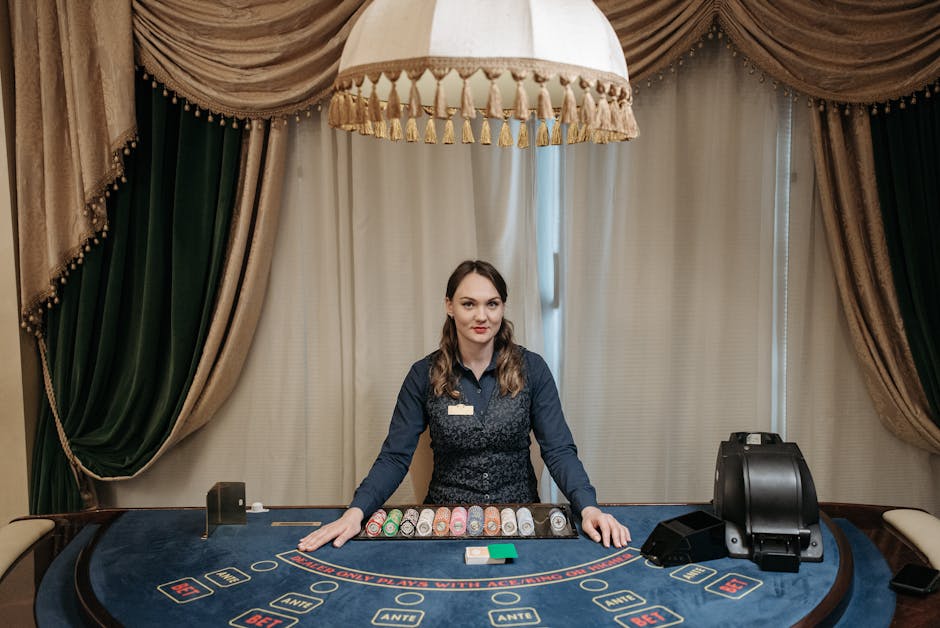
There are also hybrid formats. A game can use a live host and elaborate studio production while relying on a digital system for some or all of its results. “Live” describes the presentation or interaction; it does not automatically mean that every outcome comes from a physical object. Read the specific game’s information rather than assuming all live titles work alike.
Why game-show production feels so loud
One client recently told me thought they could save money but ended up paying more.. Game-show casino titles borrow from television and streaming entertainment: a host addresses the audience, graphics announce results, music builds anticipation and bonus rounds may arrive with a countdown or dramatic reveal. Those choices are designed to hold attention and make the action legible on a small screen. They also make the game feel more social than a quiet RNG title.
That shift fits broader viewing habits. Streaming has trained audiences to expect a presenter, on-screen prompts and ways to participate rather than simply watch. Entertainment coverage from outlets such as Variety often treats the host, format and visual identity as part of a show’s appeal. Casino versions apply similar presentation ideas, but with an important difference: players are also making wagers. Entertainment value and betting value are separate questions.
Production can create an impression that something meaningful is happening between outcomes. A host’s pauses, a camera close-up or a dramatic sound cue may heighten suspense, but they do not necessarily change the probability of the next result. The same goes for a “near miss” or a wheel slowing down on camera. These moments can feel significant because humans are good at spotting patterns—even when a sequence of random outcomes has no memory.
Interactivity isn’t the same as control
Game-show formats often give players choices: select a segment, choose a multiplier, make a side bet, answer a prompt or decide whether to continue in a bonus round. That can make the session feel more active than watching a wheel spin. The key question is what the choice actually affects.
- Some decisions change the wager. Choosing a bet type or stake can affect what you stand to win and how much you risk.
- Some decisions change the available outcomes. A selection may determine which bonus feature or prize category applies, according to the game’s stated rules.
- Some interactions are mainly presentational. Pressing a button to start a spin or reveal an already-determined result may not influence the outcome at all.
Don’t mistake agency for an edge. If a game lets you choose between options, that does not mean you can predict which one will win. Before you play, check whether a decision affects the probabilities, the payout, the size of the bet or only the way the result is revealed. If the rules don’t make that clear, that’s a reason to pause—not to guess.
Game show casino fairness: what to look for
Game show casino fairness is not established by a friendly host or a convincing studio. It is better assessed through information you can verify: clear rules, disclosed game mechanics, suitable testing and oversight, and a properly authorized operator in the jurisdiction where you’re playing.
Start with the game’s help screen or information panel. Look for an explanation of how a round works, the available bets, the payout table and—where provided—the RTP or house edge. These figures describe expected results over a large number of plays, not a promise about an individual session. A stated RTP of 96%, for example, does not mean you’ll get back $96 from every $100 wagered. Short-term results can vary substantially.
Next, distinguish between the game provider and the casino operator. The provider supplies or runs the game; the operator hosts it for players and handles the account and betting experience. Check who is responsible for the title, and use the operator’s own licensing and responsible-gambling information to understand what applies to your location. A brand name alone is not a fairness guarantee.
Finally, treat claims about “better odds” with caution. A bigger top prize, frequent small wins or more dramatic bonus rounds do not by themselves mean a higher expected return. Compare published rules and figures for the exact game, not just its marketing description.
Live casino odds and wheel game volatility
Live casino odds depend on the rules of the specific title and the bets available. A game-show-style wheel may contain different segments with different payouts, while another title may add multipliers, bonus rounds or special rules. The name “wheel game” doesn’t tell you the probability of landing on a segment, how often a bonus appears or how much the game returns over time. Those details need to come from the game information.
Wheel game volatility describes how unevenly results may arrive. A higher-volatility format can produce longer stretches without a large win, with the possibility of less frequent, bigger payouts. A lower-volatility format may distribute more of its returns through smaller or more frequent results. Volatility is about the pattern of possible outcomes, not whether the game is fair—and it does not tell you what will happen next.
When comparing live casino odds, ask three simple questions:
- What is the probability of the outcomes I’m betting on, if the game publishes it?
- What does each outcome pay, and are there special rules or deductions?
- Is the displayed RTP or house edge for the complete game, a specific bet or a bonus feature?
If those answers aren’t available, avoid filling the gaps with guesses. A lively broadcast can make a game easier to follow, but it can’t replace the math.
What happens when the stream stutters?
Mobile reality is less glamorous than the studio set. A live game can pause, buffer or disconnect when Wi-Fi drops or you switch apps. That’s especially relevant during quick sessions: the player may be watching a host, reading the game panel and checking a message at the same time.
Before placing a bet, check the operator’s guidance on disconnections, interrupted rounds and settlement. Don’t assume a frozen screen means the result has been cancelled, or that tapping repeatedly will safely restart a wager. Give the game time to reconnect and consult the account history or support channel if the status is unclear. If your connection is unreliable, waiting for a steadier one is the sensible choice.
A quick pre-play checklist
- Open the rules and confirm how outcomes are produced.
- Check the payout table, betting limits and any published RTP or house-edge information.
- Understand whether your choices affect the outcome, the stake or only the presentation.
- Set a time and spending limit before joining the game.
- Use a connection that can handle a live stream, and know what to do if it drops.
So, rigged or just noisy?
Game-show casino titles are designed to be noisy in the entertainment sense: hosts, graphics and suspense give a wagering game the pacing of a broadcast show. That production can make outcomes feel more personal or meaningful than they are. It doesn’t prove a game is rigged, and it doesn’t prove that the odds are favorable either.
The useful test is whether you can understand the game’s mechanics and find clear information about its rules, payouts and oversight. Treat the host as a presenter, the interactive prompts as choices to examine and the lobby tile as advertising—not evidence of fairness. If the terms are clear and the format suits you, play within limits. If the rules are hard to find or the stream is too distracting, choose another title or step away.
Casino games involve risk, and no format guarantees a win. Set limits you can afford, and seek support if gambling stops feeling like entertainment.