How Do Studios Keep Streams Stable Across Large Geographic Areas?
In today’s fast-paced digital world, studios are tasked with delivering stable and responsive streaming experiences to viewers spread across continents. Whether it’s a multi-camera live event, a streaming studio production, or content meant for mobile-first consumption, maintaining broadcast quality at scale while battling geographic and network hurdles is a complex challenge. This post dives deep into the nuts and bolts of how studios achieve that — spotlighting technology, workflow considerations, and vendor innovations.
Multi-Camera Studio Production: Foundations of Stability
Multi-camera productions are the backbone of professional live events from sports to talk shows. Studios like those covered by Hardware Times emphasize the importance of solid workflows that keep video feeds synchronized and visually consistent.
Video Synchronization and Signal Routing
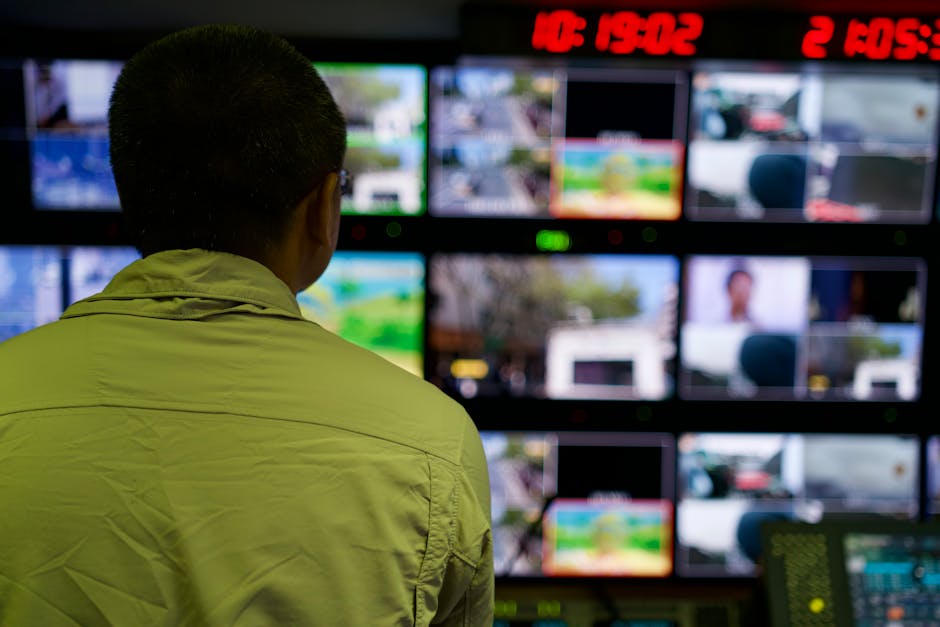
Managing multiple video feeds simultaneously demands precise timing and low-latency switching. A mental checklist seasoned engineers keep includes:
- Video sync: Ensuring all cameras are genlocked or locked to a common reference.
- Signal integrity: Using robust cabling and connectors to minimize interference, especially over long distances.
- Encoding uniformity: Applying the same codec profiles across feeds to simplify real-time mixing and reduce transcoding latency.
With the global footprint of audiences, these feeds often head into distributed encoding points rather than a single centralized room. This distributed infrastructure helps reduce the strain from one server handling everything, avoiding bottlenecks.
Lighting and Visual Consistency
Visual quality won't stay stable without consistent lighting. Studios follow strict SMPTE (Society of Motion Picture and Television Engineers) guidelines on color temperature, brightness, and gamma. This standardization ensures that downstream compression doesn’t exacerbate color shifts between cameras.
Furthermore, studios invest in LED panel control systems that allow multiple cameras to maintain unified look-and-feel. Hardware Times recently highlighted hardware calibrators https://xn--toponlinecsino-uub.com/why-does-mobile-interface-design-affect-camera-production/ that automatically adjust for subtle differences, ensuring viewers receive a seamless visual experience, no matter the camera angle.
Mobile-First Streaming Constraints
According to the latest research, over 60% of video streams globally originate from mobile devices. Studios must design streams that perform well on diverse phone models and network conditions, including spotty 4G and emerging 5G networks. This creates several unique constraints.
Adaptive Bitrate Streaming for Varied Networks
Mobile streaming demands adaptive bitrate (ABR) techniques that react instantly to fluctuations in bandwidth. The streaming pipeline encodes multiple renditions at varying resolutions and bitrates.
This approach, championed by companies like MRQ, powers many online casino apps and mobile websites, where latency and stream stalling can directly impact user engagement or revenue.
Latency vs. Compression Trade-offs
Mobile-first constraints impose a hard trade-off table:
- Low latency: Prioritized for real-time interaction but requires more server resources and lower compression.
- High compression: Saves bandwidth but risks increasing latency and compromising visual quality.
Many studios now leverage AI-driven encoding profiles that dynamically balance these trade-offs based on viewer location and device capabilities.
Encoding and Compression: The Heart of Distributed Streaming
Effective encoding is the engine behind stable streams across large geographies. The aim is to compress video efficiently while preserving quality and minimizing errors that cause buffering.
Edge Encoding and Server Placement
Server placement defines how close the encoding, packaging, and CDN edge nodes sit relative to viewers. Distributed infrastructure is essential.
Strategy Benefit Considerations Centralized Encoding Easy to manage Risk of bottlenecks, higher round-trip latency Edge Encoding Reduced latency, scalable More complex orchestration, hardware costsThe Society of Motion Picture and Television Engineers (SMPTE) has been pivotal in establishing standards that ensure interoperability between hardware encoders, software solutions, and CDNs. Compliance with these standards helps studios select vendors and equipment reliably, reducing integration headaches when deploying distributed infrastructure.
Codec Choices and Compression Efficiency
While H.264 remains the workhorse due to broad compatibility, studios increasingly adopt HEVC (H.265) or AV1 for higher compression efficiency. But remember: a more efficient codec isn't always the best for every live event, especially considering mobile client decoding capabilities and licensing costs.
MRQ, known for their low-latency encoder platforms, stresses testing codecs against real traffic conditions and device pools — a practice studios should follow religiously.
Summing It Up: Keys to Stable and Responsive Delivery
- Distributed Infrastructure and Server Placement: Encoding and edge servers placed near viewers minimize latency and avoid centralized points of failure.
- Standardized Camera and Lighting Setup: Ensures seamless multi-camera switching and visual consistency following SMPTE guidelines.
- Mobile-First Encoding Strategies: Adapt bitrate and latency dynamically to mobile networks and devices.
- Vendor and Tools Selection: Partner with companies like Hardware Times and MRQ for hardware and platforms that withstand live production stress.
What happens when this system is Additional resources stressed at hour 9 of a 12-hour live stream? Continuous monitoring and automated failover — often overlooked by amateur setups — keep streams stable long term. Studios invest heavily not just in initial setup but also in operational runbooks tuned to detect overheating encoders, network latency spikes, and sync drifts.
Final Thoughts
The goal of achieving stable and responsive streaming across vast geographic areas is complex but manageable. Leveraging multi-camera synchronization, strict lighting consistency, smart mobile-first streaming protocols, and a solid distributed encoding framework ensures viewers receive a seamless experience, regardless of their location or device.
If you’re a broadcast operator or streaming engineer, remember to dig beyond marketing hype, test real-world scenarios extensively, and plan for the long haul — including the inevitable "what if this box overheats at hour 9?" moments. That’s the difference between a promising stream and a professional-grade production.