Is Online Bingo Supposed to Copy a Bingo Hall or Be Its Own Thing?
Bingo has a rich social and cultural history, deeply rooted in the lively atmosphere of community bingo halls. As the game transitioned to digital platforms, developers faced a pivotal question: should online bingo replicate the in-person bingo hall experience, or should it carve out a new identity unique to the online realm? This post explores the evolution of online vs in person bingo, the challenges of translating the bingo atmosphere online, and how the digital bingo experience is shaping the future of this beloved game.
Early Digitization of Casino Classics: The Case of Bingo
When online casinos first emerged, the easiest way to attract players was by digitizing familiar games. Bingo, with its straightforward rules and instant appeal, was an early candidate for transition onto browsers and mobile devices. However, unlike slots—where individual spins are effortless to reproduce—the communal elements of bingo posed a harder problem.
Slots became the go-to online casino game because they’re visually engaging and simple to automate. Their single-player dynamics translate seamlessly to screen play, requiring minimal adaptation. In contrast, bingo’s essence lies in interaction—group energy, live calls, and social banter—all of which are difficult to replicate digitally without losing authenticity.
The Challenge: Preserving the Social Energy
Physical bingo halls buzz with anticipation. The kerfuffle of players marking cards, the caller’s voice echoing across the room, and shared excitement when someone wins create a unique atmosphere. Simply replicating the game mechanics online can strip this away. Early digital bingo often felt sterile, reducing players to clicking numbers in isolation.
As a result, the question became: Should online bingo strive to mimic the physical setting or embrace features exclusive to its digital nature?

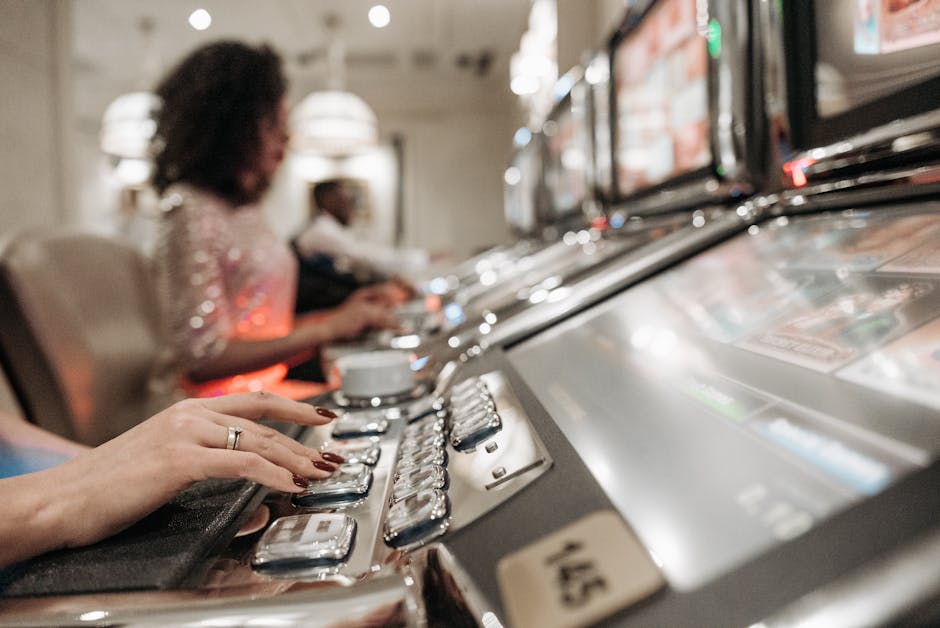
Browser-Based Casino Games and the Shift Toward Multi-Format Entertainment Hubs
One major development in online gambling platforms is the rise of multi-format entertainment hubs. These websites offer slots, blackjack, poker, and bingo side by side in browser-based, mobile-responsive interfaces. This integrated approach capitalizes on cross-genre engagement and allows players to switch effortlessly between games.
For bingo, this meant integrating into a broader user journey rather than existing solely as an isolated experience. Instead of just copying the hall’s environment, developers began experimenting with new ways to engage:
- Customizable card interfaces
- Chat rooms to simulate social interaction
- Dynamic tournaments with real-time leaderboards
- Reward systems tied to multiple games, encouraging retention
These innovations create a hybrid experience, retaining some elements of traditional bingo while leveraging the advantages of digital technology.
Live Dealer Streaming: Bridging Real-Time UX Gaps
One of the most interesting advances is the integration of live streaming video from real tables with human dealers. While this technology initially targeted blackjack, roulette, and poker, a number of operators have started streaming live bingo sessions too.
By broadcasting a real caller managing a physical bingo game, live dealer bingo brings back the human element that’s often missing from automated digital versions. Players watch the caller announce numbers in real time and can interact via chat, recreating some of the hall's spontaneity and social interaction.
This approach helps address a key tension: how do you provide an authentic bingo experience online without sacrificing the convenience and accessibility of browser-based games?
Pros and Cons of Live Dealer Bingo
Pros Cons Real human presence adds warmth and authenticity Slower pace than automated games may deter some players Real-time interaction via chat mimics social experience Higher operational costs for casinos, potentially limiting scale Visual engagement supports transparency and trust Requires stable internet and higher bandwidthCommon Pitfalls: Bonus Amounts, RTP Percentages, and Wagering Requirements
grammarorbitA major mistake some operators and content creators make when discussing online bingo is overemphasizing specific bonus amounts, Return To Player (RTP) percentages, and wagering requirements without context.
- Bonuses: Large welcome offers may look attractive, but their value depends heavily on terms and restrictions. Bingo bonuses often come with session time limits or restrictions on which games count toward wagering.
- RTP: Unlike slots or blackjack, bingo’s RTP isn't a fixed percentage since the game outcome depends on collective card purchases and winning patterns. Claiming a precise RTP number can be misleading.
- Wagering Requirements: Many bonuses require players to wager a multiple of the bonus amount before withdrawing. These conditions vary widely and should be carefully understood rather than being blindly promoted.
Players should focus on overall entertainment value, fairness, and user experience rather than getting caught up solely in numbers that might not translate well to bingo’s unique gameplay.
Should Online Bingo Copy a Bingo Hall?
When you compare online vs in person bingo, it’s clear replicating the hall experience 1:1 isn’t possible or even desirable. Instead, a better goal is capturing the spirit—community, excitement, and accessibility—within the capabilities of digital platforms. This can include:
- Interactive chat to foster social connection
- Regularly scheduled games to build routines and anticipation
- Visual and audio elements that communicate immediacy, such as countdown timers or caller voices
- Flexible gameplay options catering to casual and serious players alike
Embracing technology like live streaming human callers helps bridge gaps, but the future likely lies in hybrid approaches—where automated, browser-based games coexist with live dealer sessions and social features.
The Digital Bingo Experience: What Comes Next?
Looking forward, the digital bingo experience will evolve through:
- Personalization: Using player data and preferences to tailor game offerings and social groups.
- Mobile-First Design: Optimizing interfaces specifically for handheld devices to meet user expectations.
- Augmented Reality (AR): Potentially creating immersive bingo rooms where players can "see" others virtually.
- Cross-Platform Play: Seamless transition between desktop, mobile, and live-streamed games to enhance retention.
- Responsible Gaming Features: Real-time tools integrated to promote safe, controlled play.
By balancing the nostalgia of traditional bingo halls with innovation, the online bingo industry can grow its community while honoring the game’s heritage.
Conclusion
Online bingo need not simply be a copycat of the physical bingo hall. While some elements of the traditional experience are invaluable—such as live human interaction and social engagement—the digital medium provides unmatched opportunities for customization, convenience, and multi-format entertainment integration.
Operators who understand these distinctions, avoid overhyping superficial statistics like exact RTP percentages or bonus values, and focus on holistic user experience will be best positioned to succeed. Ultimately, the question isn’t whether online bingo should copy the hall but how it can create a vibrant, accessible bingo atmosphere online that stands on its own merits.